

Carpet adds warmth, comfort, and style to your home, but it also collects dirt, dust, allergens, pet hair, odors, and stains over time. Without regular maintenance, soil can settle deep into carpet fibers, causing premature wear, discoloration, and lingering smells.
The good news is that keeping your carpet clean does not have to be complicated. With a few simple habits, homeowners can extend the life of their carpet, improve indoor air quality, and keep their home looking and feeling fresher. For a deeper clean, professional carpet cleaning can help remove embedded dirt and restore carpet freshness.
This guide covers 15 practical carpet maintenance tips every homeowner should know.
Why Carpet Maintenance Matters
Replacing carpet can be expensive, especially in high-traffic areas like living rooms, hallways, stairs, and bedrooms. Proper carpet maintenance helps protect your flooring investment and prevents avoidable damage.
Regular carpet care can help:
- Extend carpet lifespan
- Improve overall appearance
- Reduce dust, dirt, and allergens
- Improve indoor air quality
- Prevent permanent stains
- Reduce odors
- Protect carpet padding
- Lower long-term cleaning and replacement costs
According to the Environmental Protection Agency, indoor air can contain pollutants such as dust, allergens, and other particles. Since carpet can trap these contaminants, regular vacuuming and cleaning are important parts of maintaining a healthier home. Learn more in our guide to dirty carpets and health risks.
Quick Answer: How Do You Maintain Carpet Properly?
The best way to maintain carpet is to vacuum regularly, remove shoes indoors, clean spills immediately, protect high-traffic areas, control moisture, and schedule professional carpet cleaning every 12 to 18 months. Homes with pets, children, or heavy foot traffic may need more frequent cleaning.
If you live in the South Bay and your carpet needs more than routine maintenance, Dan Carpet Cleaning provides local service in communities including Torrance, Redondo Beach, Manhattan Beach, and nearby areas.
1. Vacuum Carpet Regularly
Vacuuming is the foundation of carpet maintenance. Dirt and debris act like tiny abrasives that grind against carpet fibers every time someone walks across the floor.
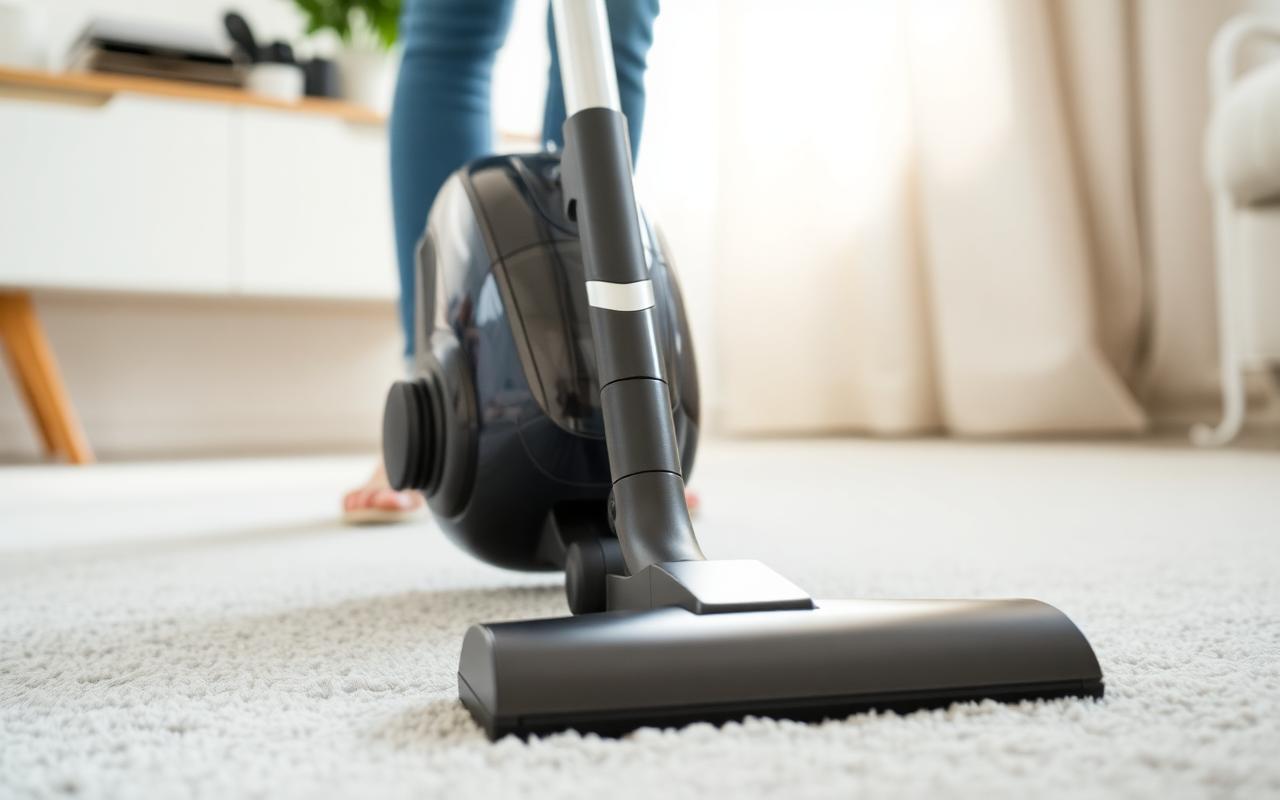
For best results:
- Vacuum high-traffic areas 2 to 3 times per week
- Vacuum low-traffic rooms at least once per week
- Use slow, overlapping passes
- Empty the vacuum canister or bag regularly
- Clean or replace vacuum filters as recommended
Focus extra attention on:
- Hallways
- Living rooms
- Entryways
- Stairs
- Family rooms
- Areas near couches and dining tables
2. Remove Shoes Indoors
Shoes bring dirt, oils, bacteria, pesticides, mud, and outdoor debris directly onto your carpet. Over time, these particles can stain carpet fibers and cause premature wear. A no-shoes policy is one of the simplest ways to keep carpet cleaner for longer.
3. Clean Spills Immediately
The faster you treat a spill, the better your chances of preventing a permanent stain. Blot gently with a clean cloth, work from the outside of the stain toward the center, and avoid aggressive scrubbing. For deeper stain treatment, see our rug stain removal guide, which includes tips that also apply to many carpet stains.
4. Use Baking Soda to Reduce Odors
Sprinkle a light layer of baking soda, let it sit for 15–30 minutes, and vacuum thoroughly. This is helpful for mild odors, but it is not a replacement for professional cleaning when urine, mold, or moisture is involved. If pet odor is the issue, a dedicated pet stain and odor removal service may be needed to treat the source.
5. Rotate Furniture Periodically
Heavy furniture can create dents, pressure marks, and uneven wear. Rotating furniture every few months helps distribute weight and foot traffic more evenly. Furniture pads and coasters add extra protection.
6. Protect High-Traffic Areas
Hallways, stairs, entryways, and living rooms collect more dirt and friction. Use area rugs, runners, entry mats, and stair protectors. If you use decorative rugs over carpet, regular area rug cleaning also helps reduce dirt transfer into surrounding carpeted areas.
7. Maintain Proper Indoor Humidity
Excess moisture can lead to mold, mildew, and unpleasant carpet odors. The CDC recommends controlling indoor moisture to help prevent mold growth — aim for roughly 30%–50% indoor humidity, fix leaks quickly, and dry wet carpet immediately.
8. Vacuum Pet Hair Frequently
Pet hair and dander settle deep into carpet fibers. Use a HEPA-filter vacuum, groom pets regularly, and clean accidents immediately with enzyme cleaners. For lingering smells, Dan Carpet Cleaning offers pet stain and odor removal designed to target odor at the source.
9. Avoid Over-Wetting Carpet
Using too much water during DIY cleaning can cause mildew, backing damage, or trapped-moisture odors. Use only the recommended solution amount, improve airflow with fans, and let carpet dry fully before walking on it.
10. Schedule Professional Carpet Cleaning
Even with consistent vacuuming and spot cleaning, dirt, oils, allergens, and residue settle deep into fibers. Most homeowners should schedule a professional clean every 12 to 18 months — every 6 to 12 months for homes with pets, kids, or allergies. View our full carpet cleaning service or check our service areas to see if your city is covered.
11. Use the Correct Vacuum Settings
Use a higher setting for thick or plush carpet and a lower setting for low-pile carpet. The wrong setting can damage fibers or leave dirt behind.
12. Prevent Sun Damage
Direct sunlight can fade carpet color over time. Curtains, blinds, and UV-blocking window film help preserve color and prevent uneven fading.
13. Deep Clean High-Traffic Areas Monthly
High-traffic zones need extra attention between full cleanings. If these areas already look dark, matted, or dull, a professional deep carpet cleaning can help restore the appearance.
14. Create a Seasonal Carpet Maintenance Routine
Spring
- Deep clean carpet
- Remove winter dirt and debris
- Open windows for ventilation
Summer
- Control humidity
- Prevent moisture buildup
- Watch for mildew odors
Fall
- Increase vacuuming as outdoor debris increases
- Place mats near entrances
- Clean before holiday gatherings
Winter
- Protect carpet from mud, rain, and moisture
- Use entry mats and remove shoes indoors
- Clean salt or dirt quickly
15. Address Stains Before They Set
Stains become harder to remove the longer they sit. Common offenders include coffee, wine, juice, pet urine, mud, grease, ink, and makeup. If a stain keeps returning, it may have reached the padding — see our rug stain removal guide or consider upholstery cleaning for nearby furniture that may have been affected.
Common Carpet Maintenance Mistakes to Avoid
- Scrubbing stains too aggressively
- Using too much water
- Using harsh chemicals
- Waiting too long to treat spills
- Skipping regular vacuuming
- Ignoring high-traffic areas
- Using the wrong vacuum setting
- Covering damp carpet too soon
- Not scheduling professional cleaning
How Often Should Carpet Be Cleaned?
| Situation | Recommended Frequency |
|---|---|
| Low-traffic home | Every 12 to 18 months |
| Home with children | Every 6 to 12 months |
| Home with pets | Every 6 to 12 months |
| Allergy-sensitive household | Every 6 to 12 months |
| Heavy foot traffic | Every 6 months |
| Rental / move-out | As needed before turnover |
For local homeowners, Dan Carpet Cleaning serves Torrance, Redondo Beach, Hermosa Beach, Manhattan Beach, Palos Verdes, Lomita, Carson, Gardena, and San Pedro.
Best Carpet Maintenance Tips for Pet Owners
- Vacuum frequently with a pet-rated vacuum
- Use enzyme cleaners for accidents
- Groom pets regularly
- Keep pet paws clean after walks
- Use washable rugs in pet areas
- Schedule professional cleaning more often
If pet odor remains after surface cleaning, the source may be deeper than the carpet fibers. A professional pet stain and odor treatment can address urine odors and lingering smells more effectively.
When Should You Call a Professional Carpet Cleaner?
- Carpet smells bad even after vacuuming
- Stains keep returning
- Pet urine has soaked into the carpet
- High-traffic areas look dark or matted
- Allergies seem worse indoors
- Carpet feels sticky or stiff
- DIY cleaning did not work
- It has been more than 12 to 18 months since the last cleaning
Compare available options on the services page or view general pricing before scheduling.
Final Thoughts
Carpet maintenance does not require expensive tools or complicated routines. Small habits — regular vacuuming, removing shoes, cleaning spills quickly, protecting high-traffic areas, and scheduling periodic professional cleaning — can dramatically extend the life of your carpet.
If your carpet needs a deeper clean, Dan Carpet Cleaning provides professional carpet, rug, upholstery, and pet odor cleaning throughout the South Bay. Learn more about our carpet cleaning services or contact us to schedule service.
Frequently Asked Questions
High-traffic carpet should be vacuumed 2 to 3 times per week. Low-traffic rooms can usually be vacuumed once per week. Homes with pets or children may need more frequent vacuuming.
Most carpets should be professionally cleaned every 12 to 18 months. Homes with pets, children, allergies, or heavy foot traffic may need professional cleaning every 6 to 12 months.
Vacuum regularly, remove shoes indoors, clean spills immediately, use rugs in high-traffic areas, control moisture, and schedule professional deep cleaning.
Yes. Vacuuming removes dirt and debris that can grind against carpet fibers and cause premature wear. Regular vacuuming is one of the most effective ways to extend carpet life.
Baking soda can help neutralize mild carpet odors when used lightly and vacuumed thoroughly. It should not be used as a substitute for deep cleaning when odors come from pet urine, mold, or moisture in the padding.
Carpet may smell after cleaning if it was over-wet, dried too slowly, or if odors are trapped in the carpet padding. Improving ventilation and using professional extraction can help solve the problem.
Blot the spill immediately with a clean cloth. Do not scrub. Use a mild carpet-safe cleaning solution and blot from the outside of the stain toward the center.
Yes. Professional cleaning combined with enzyme treatments can remove many pet odors. Severe urine contamination may require deeper treatment if the odor has reached the padding or subfloor.