
Most people vacuum their carpets regularly and assume that's enough to keep their homes clean. But beneath the surface, carpets can trap dust mites, bacteria, mold spores, pet dander, and other pollutants that may affect indoor air quality and overall health.
If you've ever wondered whether dirty carpets can actually make you sick, the short answer is yes — especially when carpets are not cleaned properly over long periods of time.
A carpet acts like a giant filter inside your home. While it captures dirt and allergens, those contaminants can build up over time and eventually circulate back into the air you breathe. For people with allergies, asthma, pets, or young children, this can become a serious indoor health issue.
In this guide, you'll learn:
- the hidden health risks of dirty carpets
- common symptoms linked to contaminated carpets
- how carpets affect indoor air quality
- the safest cleaning methods for healthier homes
- when to hire a professional carpet cleaner
Why Carpets Collect So Many Contaminants
Carpets are one of the biggest collectors of indoor pollutants. Every day, dirt, dust, pollen, bacteria, and moisture get trapped deep within carpet fibers. Unlike hard flooring, carpets absorb and hold contaminants for long periods of time. Even if the surface looks clean, harmful particles may still be buried underneath.
Common contaminants found in carpets include:
- dust mites
- pet dander
- mold spores
- pollen
- bacteria
- food debris
- dead skin cells
- dirt from shoes
- chemical residues
According to the American Lung Association, indoor air pollution can significantly impact respiratory health, especially for people with allergies or asthma. Carpets become even more problematic when moisture is introduced — spills, humidity, or water damage can create the perfect environment for mold and bacteria growth.
Health Problems Linked to Dirty Carpets
Allergies and Sneezing
One of the most common problems associated with dirty carpets is allergy irritation. Carpets trap pollen, dust mites, pet hair, and mold spores. As people walk across the carpet, these particles can become airborne again and circulate throughout the home.
Common carpet allergy symptoms include:
- sneezing
- itchy eyes
- runny nose
- coughing
- skin irritation
- sinus congestion
Asthma and Breathing Problems
Tiny airborne particles trapped inside carpets may irritate the lungs and airways, especially in children, seniors, and people with asthma. The U.S. Environmental Protection Agency notes that indoor air pollutant levels are often higher indoors than outdoors, which can increase respiratory risks in poorly maintained environments.
Mold Exposure From Damp Carpets
If carpets stay wet after spills, flooding, or steam cleaning, mold can begin growing underneath the fibers and padding. Mold spores may spread through the air and affect indoor health. A persistent musty smell is often one of the first warning signs. Common mold exposure symptoms include headaches, coughing, throat irritation, fatigue, sinus problems, and respiratory discomfort.
Bacteria and Germ Build-Up
Think about everything that touches your carpet daily: shoes from outside, food spills, pet accidents, and dirt. Without deep cleaning, germs can accumulate and create unhealthy living conditions — particularly concerning for babies crawling on floors, pets, the elderly, and immunocompromised people. Some studies have even found neglected carpets to contain more bacteria than certain bathroom surfaces. If you're dealing with stubborn pet contamination, our pet stain & odor removal service treats urine through the carpet, pad, and subfloor.
Signs Your Carpet Might Be Affecting Your Health
Symptoms can be subtle and develop slowly. If they improve when you leave the house, your indoor environment — including your carpet — may be part of the problem.
- frequent sneezing indoors
- worsening allergy symptoms
- persistent coughing
- itchy skin
- sinus congestion
- asthma flare-ups
- musty odors
- visible stains or discoloration
- damp carpet texture
- increased dust buildup
How Carpet Cleaning Improves Indoor Air Quality
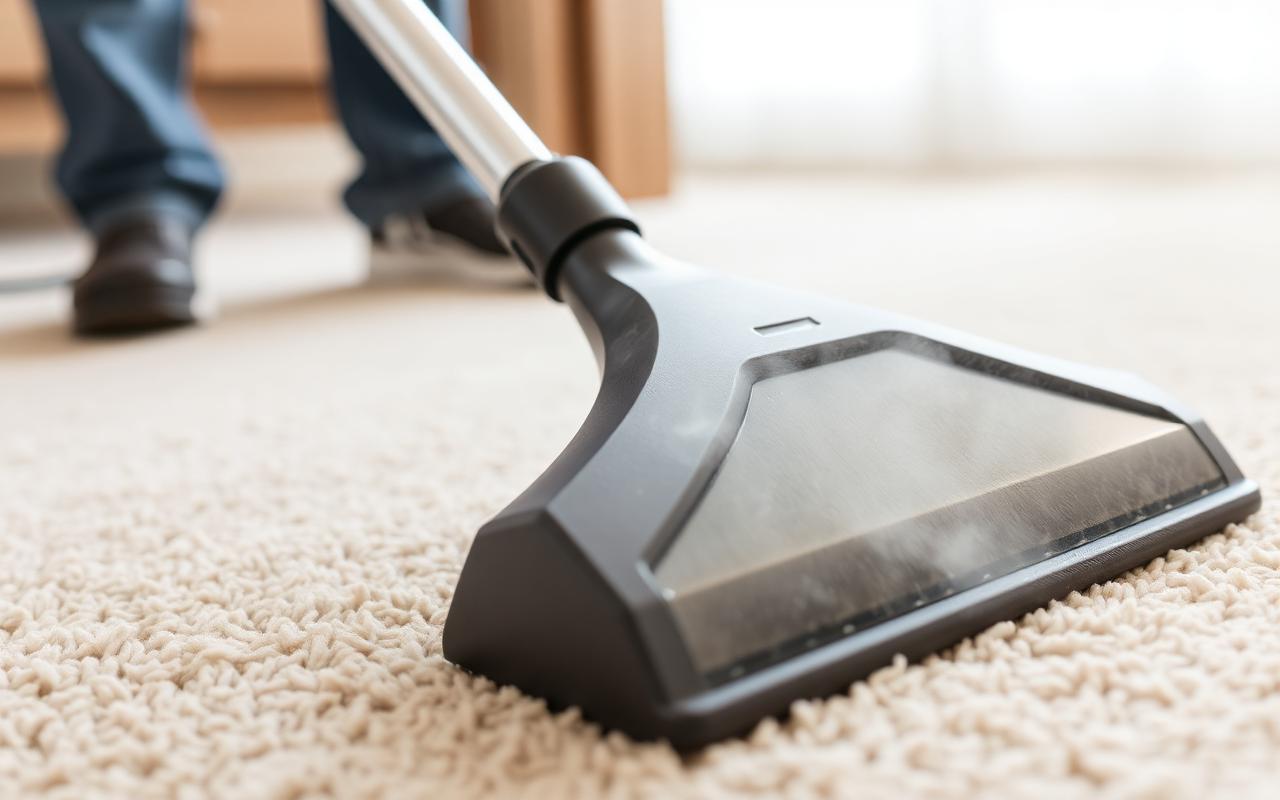
Regular professional carpet cleaning helps remove allergens, bacteria, dust, and odors trapped deep within carpet fibers — reducing mold risk and creating a healthier home. Homes with pets, children, or allergy sufferers typically benefit from more frequent maintenance.
Best Carpet Cleaning Methods for Healthier Homes
Steam Cleaning
Hot water extraction loosens dirt, kills bacteria, reduces dust mites, and removes allergens without leaving excessive chemical residue. It's the method we use for every carpet cleaning job in Los Angeles — and also for upholstery and sofa cleaning.
HEPA Vacuuming
Vacuum 2–3 times weekly with a HEPA-filter vacuum, more often in high-traffic areas. Use slow, overlapping passes and keep the filter clean.
Non-Toxic Cleaning
Choose non-toxic, fragrance-free, or low-VOC solutions — especially for households with children, pets, allergy sufferers, or chemically sensitive individuals. Every product we use at Dan Carpet Cleaning is non-toxic and pet-safe once dry.
How Often Should Carpets Be Cleaned?
| Household Type | Recommended Frequency |
|---|---|
| Standard households | Every 6–12 months |
| Homes with pets | Every 3–6 months |
| Allergy sufferers | Every 2–3 months |
| Homes with children | Every 3–6 months |
| High-traffic homes | Every 3–6 months |
Regular vacuuming should still be done weekly regardless of professional cleaning schedules.
DIY Tips to Keep Carpets Healthier Between Cleanings
- Remove shoes indoors — shoes bring bacteria, pesticides, dirt, and pollutants into the home.
- Vacuum frequently — frequent vacuuming reduces dust buildup and allergens.
- Clean spills immediately — moisture left untreated can lead to mold growth.
- Use baking soda for odors — it naturally absorbs odors trapped in carpet fibers.
- Improve ventilation — fresh airflow helps reduce indoor moisture and pollutants.
- Use HEPA air purifiers — they help reduce airborne allergens circulating through the home.
When to Hire a Professional Carpet Cleaner
While DIY cleaning helps, some situations demand professional attention: persistent odors, water damage, visible mold, worsening allergies, heavy staining, pet accidents, or excessive dust. Professional equipment removes deeply embedded contaminants far more effectively than rental machines. If you're in the South Bay, see our full list of services or jump straight to request a free quote.
Final Thoughts
Dirty carpets can absolutely affect your health — especially when allergens, mold, bacteria, and dust build up over time. While carpets make homes feel warm and comfortable, they also act as reservoirs for indoor pollutants that can impact breathing, allergies, and overall air quality. The good news: regular cleaning, proper maintenance, and safer cleaning methods can dramatically reduce these risks.
Frequently Asked Questions
Yes. Dirty carpets can trap allergens, mold spores, bacteria, and dust mites that may contribute to allergies, asthma symptoms, respiratory irritation, and poor indoor air quality.
Most homes should have carpets professionally cleaned every 6–12 months. Homes with pets, allergies, or children may require cleaning every 3–6 months.
Yes. Carpets can trap pollen, pet dander, and dust mites that trigger allergy symptoms when disturbed.
Steam cleaning combined with HEPA vacuuming and non-toxic cleaning products is often considered one of the healthiest carpet cleaning approaches.
Yes. Steam cleaning helps remove deep contaminants, bacteria, dust mites, and allergens more effectively than surface cleaning alone.